
Competitive athletes sometimes train exceptionally hard. Soccer players compete in approximately 60 matches per season with minimal breaks. In track and field, athletes must spend two to three hours daily on the track and grass for most of the year just to compete at the international level; the same applies to combat athletes and individual ball-sport players.
Athletes attend daily team practices that are often grueling, invest in strength training two to four times per week, work on athletics and conditioning outside of team sessions, and, of course, dedicate considerable effort to refining their technique. This addresses only the physical dimension; we have not even touched on the mental stress a professional athlete endures daily, which itself produces physiological and hormonal effects.
At some point in every career, athletes sense that rest and sleep alone cannot repair the “damage” inflicted by a professional training regimen; a regimen designed to confer advantages over everyone else who is also training.
In the professional athlete’s routine, a substantial portion of the competitive season centers on recovery methods now widespread across fields and courts. Proponents cite several primary reasons:
- Resetting the central nervous system in whichever domain it was trained (high tension, low tension).
- Elevating mood and restoring the motivation to train hard even within the training week itself.
- Facilitating muscular repair from training-induced damage.
- Resetting negative changes in connective tissues and treating scar tissue formed from overload.
- Adjusting baseline muscle tension to match demands (up or down).
- Resetting the body’s protective mechanisms triggered by overload (contractions, muscle soreness, inflammation).
Recovery is an exceptionally broad concept, and it is difficult to pinpoint exactly what within the human body requires “recovery.”
Each sport, competitive season style, and specific training approach should receive recovery techniques suited to it. For instance, some sports are highly “neural”; intensely demanding in speed and power output; while others are more “muscular” or endurance-based, drawing heavily on peripheral systems. It is not self-evident that a single recovery method (such as ice baths) will benefit all types of training.
There are also hormonal aspects requiring “recovery,” such as cortisol, testosterone, and growth hormone levels, in addition to other chemical markers we will discuss below.
Despite all the hype surrounding recovery methods, the science appears deeply divided; study after study systematically finds negligible and largely insignificant effects for all the “famous” techniques like ice baths and compression sleeves. In this article, we will examine precisely what can be expected from each method, what is worth the time, and what will be remembered in the future merely as a trendy fad.
A major problem emerging from these studies is the conflict between an athlete’s “subjective feeling” after a recovery treatment and actual physical results in the field.
Sometimes, the entire positive effect is purely psychological; other times it is physiological yet “messy”; for example, temporarily resolving muscle soreness with a 30-minute foam rolling session. Naturally, after applying strong pressure for so long, there will be less pain for a period, leading the athlete to speak positively about the method. Yet in terms of performance compared to someone who did not foam roll, no significant improvement emerges.
Allow me briefly to remove my Red Fox hat and put on my science-enthusiast hat to first review what the experts say under laboratory conditions. (Not that this should overly concern anyone; a quality physical therapist still ranks higher on the hierarchy than those scientists.) Afterward, in the discussion section, I will share what we do at Red Fox; often in contradiction to the literature.
Finally, we will attempt a Fox-style discussion on the future of recovery and present several conclusions for athletes and coaches.
Various Studies on Sport Recovery Techniques
Researcher Albert Albesa-Bertez and his team from VIC University in Spain published a 2020 meta-analysis1 examining the effects of common recovery methods on Spanish La Liga soccer players.
The study sought to survey the direct impact of different methods on measurable soccer performance relative to those who did not follow a recovery protocol; making it highly relevant to our purpose, particularly because it was conducted solely on professionals, potentially stabilizing results due to subjects being “sufficiently trained” in most other aspects.
We will review this specific meta-analysis in general terms alongside other studies separate from it.
Effects of Cold Water Immersion After a Soccer Match
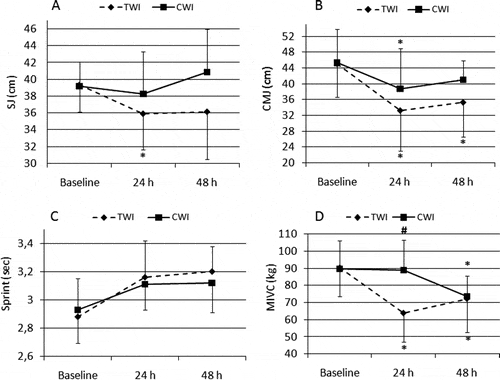
Antonio Ascensao and colleagues examined the effects of cold water immersion on 20 professional Spanish soccer players2. Some immersed in 10-degree (Celsius) water while others immersed in 35-degree water following a league match. The measured parameters included squat jump, 20-meter sprint, and reactive bilateral jumps from a standing position, in addition to quadriceps force output.
Chemically, markers of muscle damage (myoglobin, creatine kinase) and inflammation markers (C-reactive protein) were assessed.
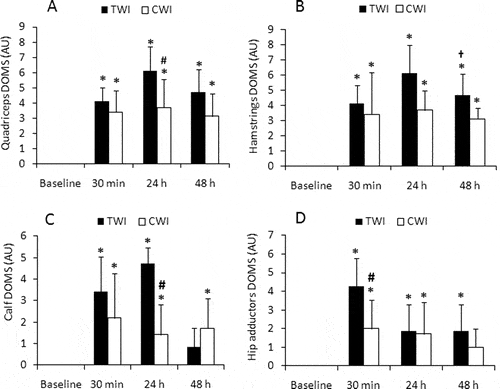
Subjectively, “muscle perception” was also measured 24 and 48 hours post-match.
After the match, players in both groups (cold water and neutral water) showed increases in chemical markers indicating inflammation and fatigue. Various jumping abilities and force output also declined significantly, and perceived soreness increased in both groups.
However, the cold water immersion group reported improvements in all recovery markers compared to the warm-water group, including improvements in chemical markers, jumping, sprinting, and isokinetic force output.
Cold water immersion had less noticeable effects on neural markers such as sprint ability, owing to their neural/tendinous nature. Yet the researchers hypothesize that because chemical markers do improve, neural recovery potential may also be enhanced.
Regarding improvements in perceived muscle soreness, the mechanism by which cold water reduces pain is not entirely clear and may be related merely to an analgesic effect. (Temperatures of 10 degrees slow nerve conduction velocity in muscles, thereby reducing pain.) Nevertheless, these effects last only about three hours post-treatment and still cannot explain the improvement observed over 48 hours.
It can be said with confidence that immersion in a 10-degree bath is an effective and easy-to-implement technique for a professional club and can serve as a quick and straightforward component of post-match recovery routines; at least for home matches.
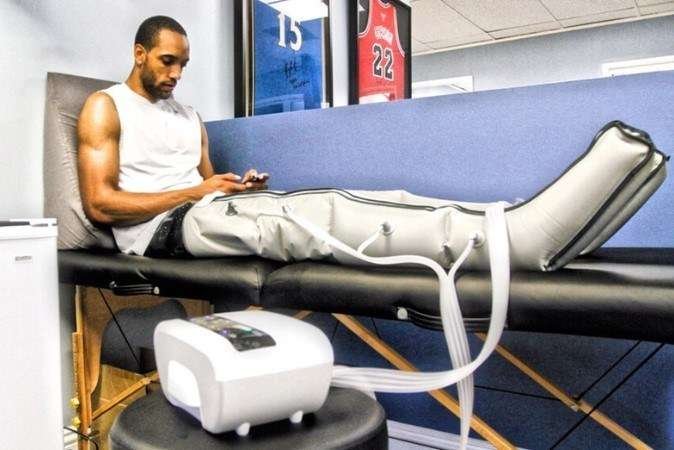
Effects of Pneumatic Compression Sleeves on Muscle Soreness in Cyclists
Compression sleeves in general are supposed to improve recovery by accelerating blood circulation (venous return) and thereby aiding the removal of metabolic waste accumulated in tissues during training or competition.
Recently, more clubs have been integrating intermittent sequential pneumatic compression (ISPC) devices specifically to serve this purpose.
The difference between these devices and regular, widely used compression sleeves is the compressive force; up to four times greater in the pneumatic device. It mimics the action of muscles and veins with automatic compression and release, theoretically aiding waste clearance more than a static compression sleeve.
Several other studies have already examined the effect of pneumatic compression sleeves on lactic acid clearance from muscles post-competition and found measurable improvement. In the following study3, researchers also examined the significance of the technique for performance improvement.
Researchers from the University of Waikato in New Zealand could not find that pneumatic compression sleeves prevented the natural decline in quadriceps force and jumping metrics after training; not even relative to those who did not use the technique.
However, the researchers note that two studies by other investigators did find performance improvements4,5. The fifth study is an Israeli study by Dr. Yosef Mizrahi.
Countering these two studies, the New Zealand researchers argue that the performance improvement can be explained by the use of untrained populations, who take longer to recover anyway and thus showed differences thanks to compression sleeves. In trained populations, the researchers argue, there will be no performance difference.
The researchers cannot entirely rule out the psychological aspect of an athlete using compression sleeves and recovering faster due to enhanced belief, even though they examined this issue to the best of their ability within the study. They suggest that deeper exploration of the psychology of recovery could clarify the physiological improvements sometimes observed.
The researchers conclude that significant (or any) improvements in recovery cannot be expected from pneumatic compression sleeves.
Effects of Strategic Sleep Habits on Sports Performance
Professional athletes face elevated risk of impaired recovery after nights with disrupted sleep, especially following late-night matches under bright stadium lighting.
Numerous theories have been advanced regarding improved recovery through altered sleep habits such as sleep duration, sleep quality, darkened rooms, sleep timing, and so forth.
The following study6, by Yu Folger and colleagues from Saarland University in Germany, aimed to shed light on the sleep question in the context of sport recovery.
In the study, two teams from Germany’s fifth division played two preseason friendlies against each other. The matches were separated by one week and held at the same late hour (8:45 PM) at the same venue to simulate UEFA Champions League or national-team match start times.
After each match, players completed two days of tests and structured training organized by quantity and timing. Caffeine and alcohol were prohibited during the study.
In randomized order after the matches, some players implemented “sleep improvement” with no specific instructions, while others implemented strategic sleep improvement with precise directives from the scientists:
- Be in bed by 11:45 PM and prepare for sleep
- Dim or extinguished lights
- Earplugs
- Eye mask
- Climate control
- No use of any light-emitting technology such as television, cell phones, or clocks
- Complete lights-out at midnight
A third group of players changed nothing about their sleep habits; they went to bed no earlier than 2 AM, were permitted to use technology, and so on.
The metrics tested to measure recovery quality included standing jump, Yo-Yo test, blood creatine kinase levels, cortisol levels, and other recovery-related chemistry.
All players were required to wake at 7:30 AM for training and testing.
The “primary” group that used all the techniques slept significantly longer than the other groups, yet their sleep was often lighter (less deep).
No significant differences in performance or chemical recovery levels were found between the groups 36 hours after the match evening.
The researchers theorize that because the players were highly stimulated after the match evening, they slept poorly even though they were “good kids” about bedtime and so forth.
The researchers note that if this became habitual and they measured an entire training period rather than just a few days of recovery, the good-sleep-habits group would likely have gained the advantage.
The researchers continue to recommend the strict sleep regimen on match evenings alone; if only to increase sleep hours and avoid accumulating “debt.” Yet in the same breath, they note that in terms of recovery and performance, there was no difference from the other groups.

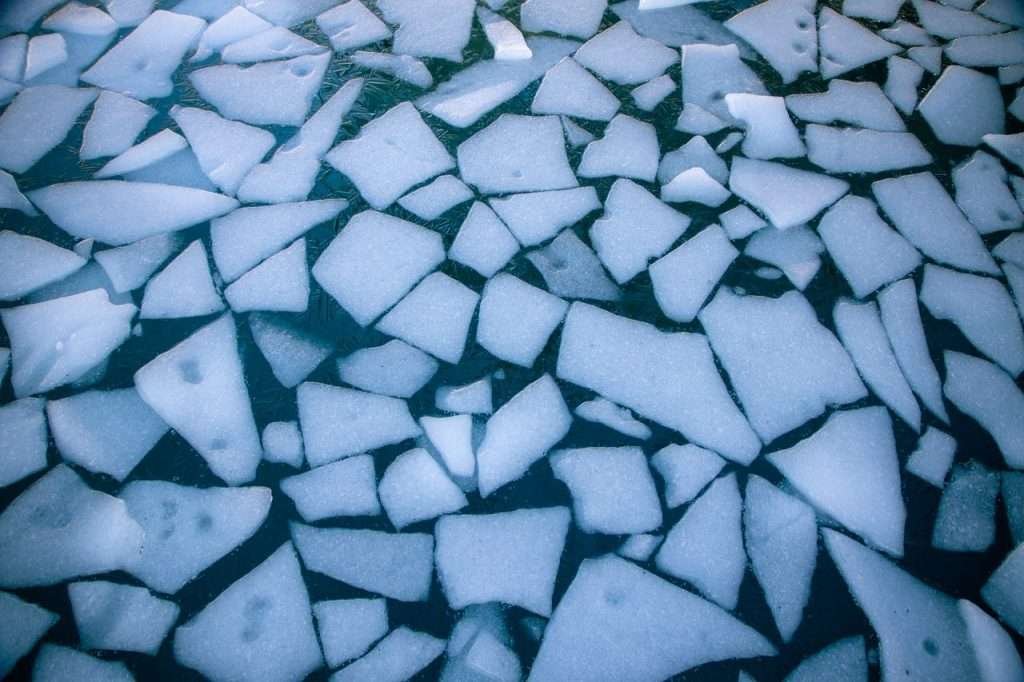
Effects of Ice Baths on Performance and Recovery
In the internet age, everyone has heard of immersing in ice-filled tubs after training. Because this is challenging and quite “painful,” in addition to the theoretical effects such as faster recovery and reduced inflammation, there is also substantial mental training inherent in the practice; immersing in ice water elegantly tests one’s capacity for discomfort.
It is commonly believed that ice has positive effects on the ability to recover from hard training. The first study we review therefore examines the effects of local ice application via ice packs on muscles after weight training7.
Eleven men around age 20 performed six sets of heavy elbow extensions; some were randomly assigned to recover with ice (via ice packs on the triceps).
Ice packs were applied to the muscle for 15 minutes immediately after training, three hours post-training, and then at 24, 48, and 72 hours post-training.
The training significantly elevated creatine kinase levels in muscle among all subjects, indicating muscle fiber damage.
Surprisingly, levels remained higher specifically in the ice-recovery group!
Subjectively, fatigue was felt more intensely by those who used ice 72 hours post-training compared to those who did not.
The researchers conclude that using ice for recovery purposes after heavy weight training is ineffective and may even harm the recovery process.
An additional study sought to examine the effects of ice on glycogen-store recovery following training8 (common after ball-sport training, for example).
Again, 11 men performed a grueling, glycogen-depleting 90-minute cycling workout followed by four hours of recovery.
During this recovery period, ice was applied to one leg while the other served as the control. Muscle biopsies were taken immediately post-training from the quadriceps and again four hours later to analyze glycogen resynthesis and lactate clearance.
At the end of training, glycogen levels were naturally equal between the two legs. What was surprising is that in the leg with ice, glycogen levels were lower; again potentially indicating impaired chemical recovery from ice application.
It should be noted that these studies address performance and performance-related metrics. Ice for medical trauma purposes, such as slowing biological processes to protect structures (as in internal bleeding common with muscle tears), has been proven effective as first-line treatment. There is also documentation of ice baths in the context of anti-aging and slowing bodily aging that appears very positive, but that is not the subject of this article.
However, because ice baths are mentally challenging, there is something fortifying about the experience that may lead to mental improvements and, consequently, physical ones. It should be noted that from a research perspective, little direct connection can be found between ice application and significant improvement in recovery.
Using Foam Rollers or Other Self-Massage Aids for Faster Recovery
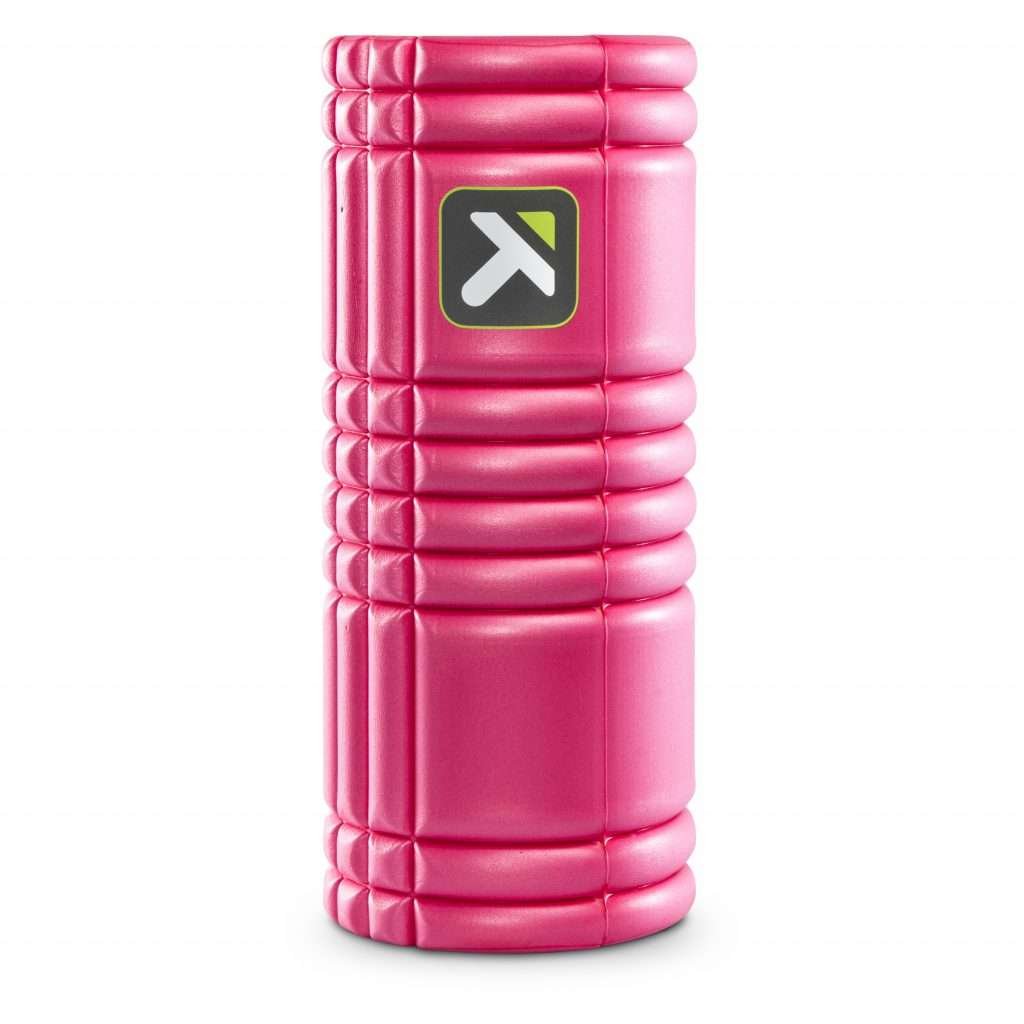
Who does not love the famous foam roller? Most players already have one in their trunk and can be seen carrying it alongside their flip-flops to every morning practice.
The following 2019 study from Ruhr University in Germany’s Faculty of Sport Science sought to determine, through a literature review (meta-analysis), whether widespread use of foam rollers for recovery is justified9.
Foam-roller massage has long been considered something that improves muscular performance and flexibility while alleviating muscle soreness and fatigue. For these reasons, it has gained popularity worldwide among athletes and sports clubs seeking to provide the best for their athletes.
The study examined the literature not only for post-training roller effects on performance and recovery but also for what happens when rollers are used before training!
Twenty-one studies met the researchers’ criteria. Fourteen examined pre-training roller effects and seven examined post-training roller effects.
On average, a negligible 0.7 percent improvement in sprint speed and a 4 percent improvement in flexibility were observed in those who used rollers before training. Regarding performance, there was no meaningful difference between roller users and non-users.
Post-training roller use slightly softened the natural decline in performance after training and reduced the subjective sensation of muscle soreness (6%).
The researchers concluded that foam roller effects on performance and recovery are negligible at best, yet may be relevant when it comes to an athlete’s “feeling”; sensing that post-training rolling improves muscle soreness in the days following a hard session.
The evidence suggests that using a foam roller as part of a comprehensive warm-up is the proper way to approach this tool, rather than regarding it as a recovery enhancer.
Manual Massage and Performance/Recovery in Sport
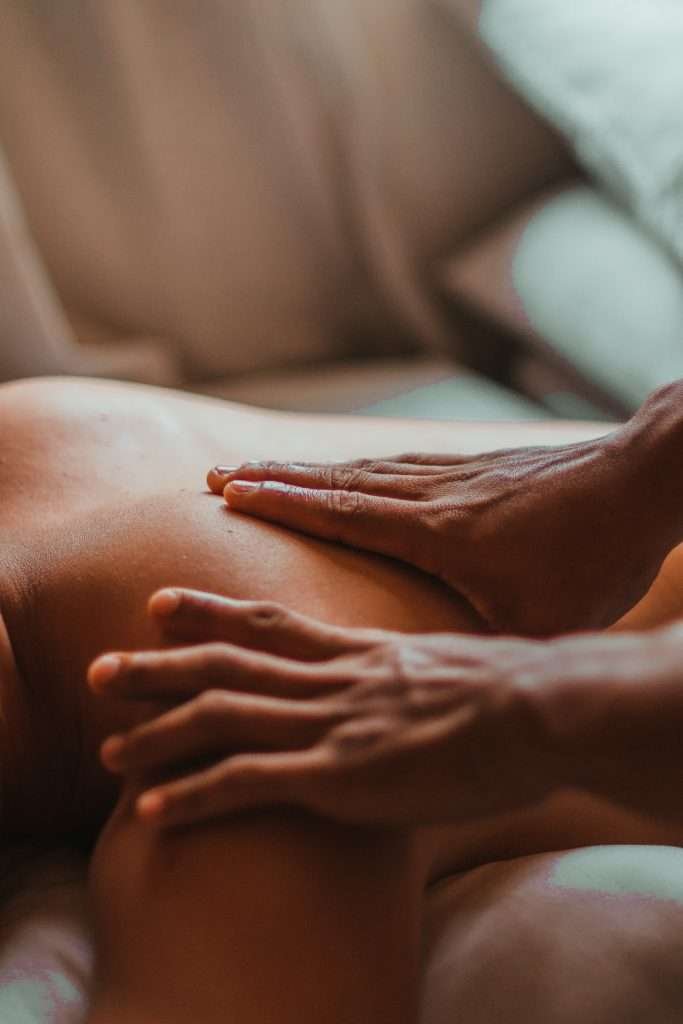
Manual massage is defined in the scientific literature as “mechanical manipulation of body tissues through pressure” and is widely used for recovery, preparation, and injury prevention in every professional sports organization.
The most common type of massage in the West is “Swedish massage,” which employs gliding strokes, direct pressure, or vibration for approximately five to seven minutes per muscle. Additional methods include deep-tissue massage (sometimes with therapist-assisted movement), water-jet massage, pressure via acupuncture, and vibration via device.
Massage is believed to contribute to reduced muscle tension, decreased muscle soreness, reduced swelling and cramping, and improved flexibility and blood flow/toxin clearance from the treated area.
Very little scientific data exists on the mechanisms behind these pathways, aside from strong evidence for improved psychological state after massage; leading to a certain “comfort” that also manifests physiologically.
A group of German and Australian sports scientists felt the need to examine specifically the enhanced-recovery aspect of massage, asking whether there is justification for using massage techniques to accelerate athlete recovery10. The researchers reviewed all relevant literature and produced a statistical summary that may hint at the technique’s effectiveness.
Allow me to give you a spoiler: the research consensus understates massage’s ability to significantly improve athletes’ recovery capacity between training sessions or matches.
The researchers kindly offered recommendation points for coaches and athletes based on their literature review:
- Massage duration of 5 to 12 minutes (per area, presumably) was found most effective for maximizing effects.
- Massage was found effective when the recovery period is very short (rest between sets, for example) and works more clearly for power/speed athletes as opposed to endurance athletes, for whom massage has a lower impact on recovery.
- No negative effects from massage were found, unlike ice baths or static stretching.
- Untrained athletes derived more benefit from massage than trained athletes.
- Although massage does not produce miracles, the researchers conclude that it is “worth it” for a professional club to use this technique given the consistency of positive psychological and physiological effects.
The researchers ultimately conclude that although massage is typically used as a post-exertion recovery technique, its effects are fairly negligible and its mechanisms are not fully understood.
They acknowledge that not all studies were optimally designed and report difficulty in offering concrete recommendations; which opens the door for future therapists to “formulate” their methods based on experience and personal style rather than strictly through science.
The researchers conclude that massage was found most effective when there is up to 10 minutes between exertions. This means that if there are two maximal 100-meter sprint sets, light massage between them may be highly effective.
As noted, massage appears more effective for intense sports and less effective for endurance disciplines like cycling or marathon running.
It should be noted that professional massage is a warm recommendation from Red Fox, which somewhat contradicts the literature. In my experience with athletes, while there may not necessarily be spectacular improvements in chemical recovery time due to massage, there are measurable differences in an athlete’s range of motion after visiting a professional therapist; especially for deep-tissue massage with movement.
However, this article speaks specifically to the recovery aspect, so we will focus on that.
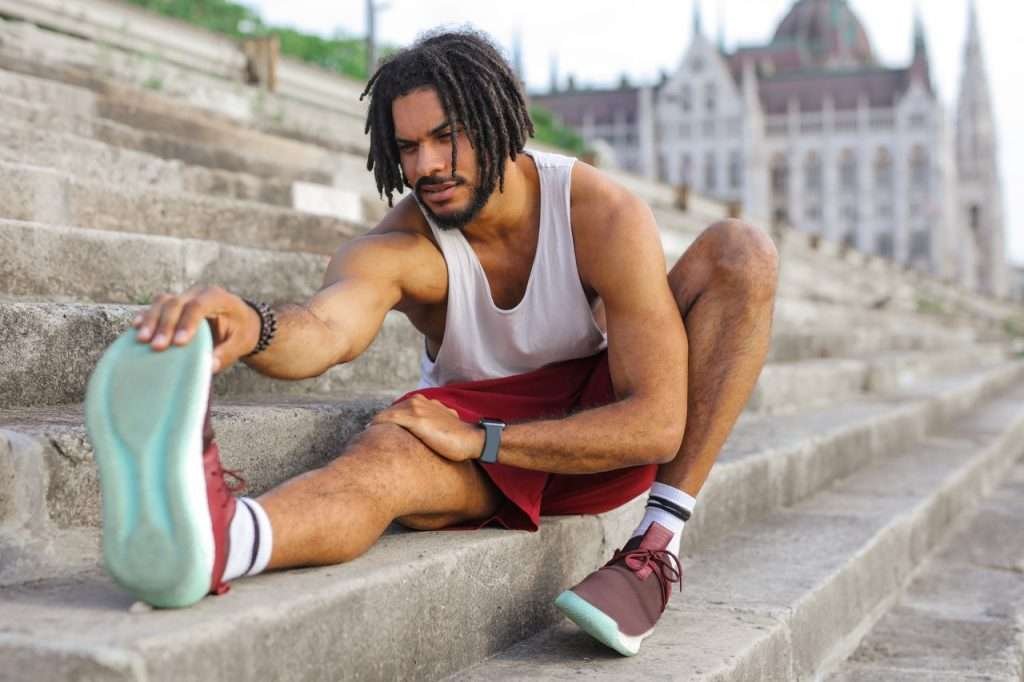
Effects of Post-Training Static Stretching on Muscle Soreness
A group of Portuguese, Brazilian, and Chilean researchers undertook a review of the effect of post-training static stretching on athletes’ muscular recovery and range of motion11.
It is very common to find athletes statically stretching all major muscle groups in an attempt to recover faster after competition or training (to minimize muscle soreness) or to increase their range of motion.
Not only is this common, but the recommendation to stretch during the final phase of training appears in the official guidelines of the ACSM (American College of Sports Medicine).
The scientific literature is mixed on the topic. The vast majority of studies show no significant difference for athletes who stretch after training12,13,14, with a minority showing an advantage for those who stretch.
Overall, the results of this large meta-analysis show no justification for the ACSM recommendation; passive rest was equally effective as stretching. On the other hand, stretching was not found to be harmful either, aside from a temporary decline in maximal contractile force immediately following excessive static stretching.
The analysis also found no evidence of beneficial chemical changes (reduced lactic acid or blood creatine kinase) attributable to post-training stretching.
The researchers sharply criticize various sports organizations for their official recommendations to perform static stretching at the end of training for general recovery purposes (note: there are other legitimate reasons to perform static stretching besides recovery) and encourage further research on the topic.
.
Discussion and Conclusions
Indeed, after a general review of the analyses in this field, it appears that recovery capacity is something that must be built “inside the body,” not outside it.
Coaches need to understand that rather than outsourcing the athlete’s ability to recover to external factors such as ice or stretching, they must train the athlete in such a way that their chemistry and movement become internally excellent.
Because this is more difficult, teams tend to throw compression sleeves and ice baths at players and wish them luck. But as the science shows, despite all the good intentions and psychological effects, there is no magic here.
Special preseason training designed to absorb higher work volumes has been well documented in Russian literature.
Instead of thinking about how to recover from training with some quick trick, we must think about how to train the athlete so that their chemistry is optimized for recovery.
The best coaches will calculate work volumes for every single session, measure their athletes across multiple domains (neural, muscular, psychological, and so on), and learn to minimize; through well-planned training periods and the ability to improvise; the muscle soreness and performance decline that results from abnormal loads.
Having clarified the correct philosophy for a sports club that truly wants to succeed, let us discuss the specific methods addressed above.
Immersion in cold water (10 degrees Celsius) for 10 to 15 minutes was found to be the best method among those discussed in this article for maximizing recovery between sessions. From my personal experience and from observing the best in the world across Olympic disciplines, the same can be said for massage therapists (sometimes even during training, not only afterward!) and for combinations of hot and cold water (but not ice!).
It is my observation that any self-respecting club will need to consider the following factors in descending order of importance for their athletes’ recovery performance:
- Better annual planning of work volumes, with clear pyramids showing what volume needs to be reached and what must happen to get there gradually.
- The ability to improvise and modify training on a weekly and sometimes daily basis. Sometimes plans are set, but if ongoing measurements show athletes under excessive load, one must know how to change the plan and target a different fitness component.
- Use of well-known, established intensity-distribution techniques. For example: 48 to 72 hours of lower work volumes for someone who played an intense and grueling match, or the absolute prohibition against training neural components at high volume with only 24 hours of rest between them (for instance, sprints on Sunday and jumps on Monday at high volumes).
- The club will need to invest in a quality physical therapist or sports therapist to provide comprehensive health coverage, and it is recommended to employ a massage therapist both during and outside of training on a regular basis.
- Strategic use of cold and hot water; investment in baths with automatic climate control at 5 to 10 degrees.
- If methods proven ineffective are in widespread use, this is a perfect excuse to use that time for other things such as video review, team bonding, and so on.
- All methods may have positive psychological effects; that is, an athlete who performs automatic compression after training will feel more “professional” and may take the field with greater confidence.
- All methods may have negative psychological effects; that is, an athlete who performs wrapping and ice baths may be mentally preoccupied with whether it will help or not, instead of focusing on their technical tasks.
Numerous studies support this philosophy15,16,17 and show broadly that long-term chemical changes in response to training (such as the stability of calcium ion receptors against training-induced damage) represent the body’s true ability to recover. A talented, athletically trained athlete will recover faster than a lazy athlete any day of the week; making any external method like water baths or massage merely a bonus, leaving the untrained athlete lower on the hierarchy even if they employ every single method.
How Does Red Fox Manage External Recovery Between Sessions?
At Red Fox, as noted, we design annual preparation to produce an athlete who naturally recovers and absorbs higher work volumes than others, even without external intervention.
This is accomplished across several dimensions: some through more economical movement mechanics that demand less from the body, some through genuinely chemical means via special training types, and some through psychological means.
For instance, to bring a speed/endurance athlete like a soccer player to the ability to run dozens of quality sprints in a match and recover within 48 hours, it is common to find us in quality hill-sprint sessions during preseason, with many, many technical repetitions; maximal attention on uphill sprinting at roughly 85 percent intensity; approximately three times per week if possible, or less if team training is also occurring.
Externally, at Red Fox, my preferred methods have already been reflected in the conclusions and are relatively research-supported. In summary:
- For initial recovery from higher-than-normal volumes at high intensity, we use scalding hot water for about 10 minutes, followed by a contrast shower of hot and cold: 40 seconds hot and 15 seconds cold, repeated for five sets.
- If the session was intense and demanded high outputs from muscle and nervous system, we use deep-tissue massage from a senior therapist. The measurable improvement in joint mobility after deep-tissue massage alone is worth it. Rollers, balls, and other self-massage aids are also widely used as part of the warm-up for that same session.
- Active rest is one of the most effective things an athlete can do between hard training sessions. Had a tough session yesterday? Rise early and go for a walk, do a supplementary workout at the gym, go for an easy swim; keep moving!
- Following my review of the literature over the past two weeks, I would very much like to arrange a cold-water immersion tub for after intense sessions. I would love to hear from you in the comments if you are already doing this!
Hold On! Keep It in Perspective
Note that professional literature is typically written by scientists under laboratory conditions and, by their own admission, usually does not reflect the real world.
Indeed, in meta-analyses of this kind, one can “get the hint” that something is not what we thought. But there is no need to dismiss things you feel work for you or that have saved you in the past just because they appear in the professional literature. The ultimate authority in the fitness field is still fitness coaches, much to scientists’ dismay. Only coaches (and therapists) have performed thousands of hours of what they teach, and if they are curious and sensitive, rest assured they have drawn excellent conclusions long before reading a single scientific paper.
The question then arises: what is the purpose of this article if what was will be and there is nothing new under the sun?
The purpose of this article is to try to “slim down” the disproportionate trend among athletes in Israel to wallow in victimhood and spend hours upon hours on wraps, rollers, and stretching while placing zero importance on the real things: proper physical preparation with a coach and technical load planning with professional advice from a strength coach and physiologist. The head coach, respected as they are, is an expert in their discipline yet sometimes harms players in the long term with excessive athletic demands.
Forever, preseason training, in-season volume organization and priority setting, and ongoing consultation with strength coaches and physical therapists will defeat any “recovery method”; however trendy and expensive. Apply prevention rather than cure and train your body properly; do not seek the magic bandage. Such thinking leads to mental burnout in the end, not to mention its physiological ineffectiveness.
Some of the methods we will discuss in Part 2 of this article, to be published soon, are:
- Effects of sauna on recovery between sessions.
- Effects of meditation on recovery between sessions.
- Effects of nutritional strategies on recovery (such as amino acid intake).
- Effects of pneumatic compression devices combined with cold water.
I would love to hear about the methods that have helped you, and likewise the methods that have helped you least, in the comments!
If there is a specific method you would like me to add to Part 2, I would be glad to hear about it.
References
- Meta-analysis examining the effects of various methods on professional soccer players https://doi.org/10.1371/journal.pone.0240135
- Effects of cold water immersion on recovery from a professional league match https://doi.org/10.1080/02640414.2010.526132
- Neutral effects of pneumatic compression sleeves on performance https://doi.org/10.1123/ijspp.2017-0207
- Positive effects of pneumatic compression sleeves on performance http://dx.doi.org/10.1136/bjsm.27.4.255
- Positive effects of compression sleeves on performance http://www.bio.unipd.it/bam/PDF/11-2/01459Wiener.pdf
- Effects of sleep habits on professional soccer performance http://dx.doi.org/10.3109/07420528.2016.1149190
- Effects of ice on muscle recovery from weight training https://doi.org/10.1519/jsc.0b013e318267a22c
- Effects of ice on glycogen-level restoration https://pubmed.ncbi.nlm.nih.gov/22525651/
- Foam roller use for recovery purposes https://doi.org/10.3389/fphys.2019.00376
- Massage in the context of recovery and sports performance https://doi.org/10.1007/s40279-015-0420-x
- Effect of post-training static stretching https://doi.org/10.3389/fphys.2021.677581
- No positive effect from stretching after training https://doi.org/10.1123/ijspp.2019-0701
- No positive effect from stretching after training https://doi.org/10.1080/15438620902901276
- No positive effect from stretching after training https://doi.org/10.1097/phm.0b013e31805b7c79
- Effects of interval training on calcium receptor response https://dx.doi.org/10.1073%2Fpnas.1507176112
- Effects of sprint training periods on ryanodine receptors https://doi.org/10.1007/s00421-019-04183-w
- Effects of fatigue on calcium ion release https://pubmed.ncbi.nlm.nih.gov/28432118/