

Every new goalkeeper coach will always wonder, at least in the first month, about a number of very logical matters and wisdoms:
- Why doesn’t a particular exercise or drill translate to the game for me? After all, I don’t perform this movement on the field.
- If I need to practice so much to succeed at this, then how will this come to me in the game, since I’m busy and preoccupied with the ball matters?
- Great Ofir, so I’m fast at 30 meters with you on the track, but on the grass there are disruptions, there are players, there are obstacles and there’s a ball, why would I be fast in the same manner?
All these are very logical questions to address seriously, and some are even straightforward. One straightforward answer needs to be in the form of a logical response, while the second answer is through physical “proofs” as demonstrations.
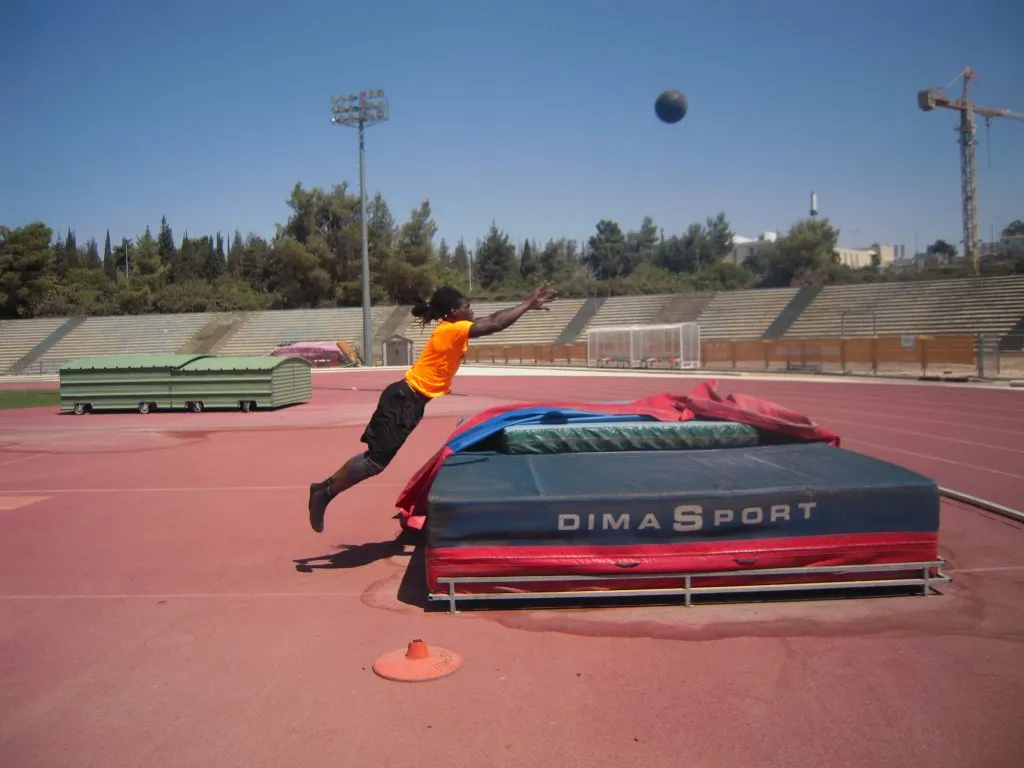
Non-Specific Drills, Whose Movement Doesn’t Explicitly Occur in the Game
Coordination and movement is a general triad upon which all specific things are based. We should relate to the “complex” techniques like the swipes inside your cellular phone. For the message to respond easily, for the phone not to get stuck and take pictures from stuns — and for all the other things we use to respond quickly — more complex things need to work in the background, and they are the chips. In our lives we don’t need to “operate the silicon chips” but nevertheless, through these chips we send messages to a friend or family, so it turns out the general triad, reaches things that really need to be done.
If we were walking directly on the things that seem right to the eye, then the ball game itself is already the best training, and one can arguably say that instead of practicing weights and athletics — we’ll go play more ball, but what to do that this won’t be the solution for improvement in performance?

New Athletic Movement Complexity, Would That Be Easier?
Exactly like driving lessons in a known car, at first the gear shifts are interwoven in a combination with the clutch causing clenching and many nerves. After a number of times this smooths and we can replace the gears also with a flip-flop in hand (not recommended).
Everything that’s equal in the world of athletic performance must start somewhat complex, after profiting efficiency and ease of movement without thought, after many repetitions and much sisyphean work, we understand how huge this asset is, and how hard it is for others who didn’t bother to learn the subject as it needs to reach that level.
The second option is to start directly from what can be done well, like most fitness coaches, and to finish training that besides muscle contraction, don’t challenge any motor or psycho-motor mechanism. This leads to very short-range outcomes, which are also very narrow matters.
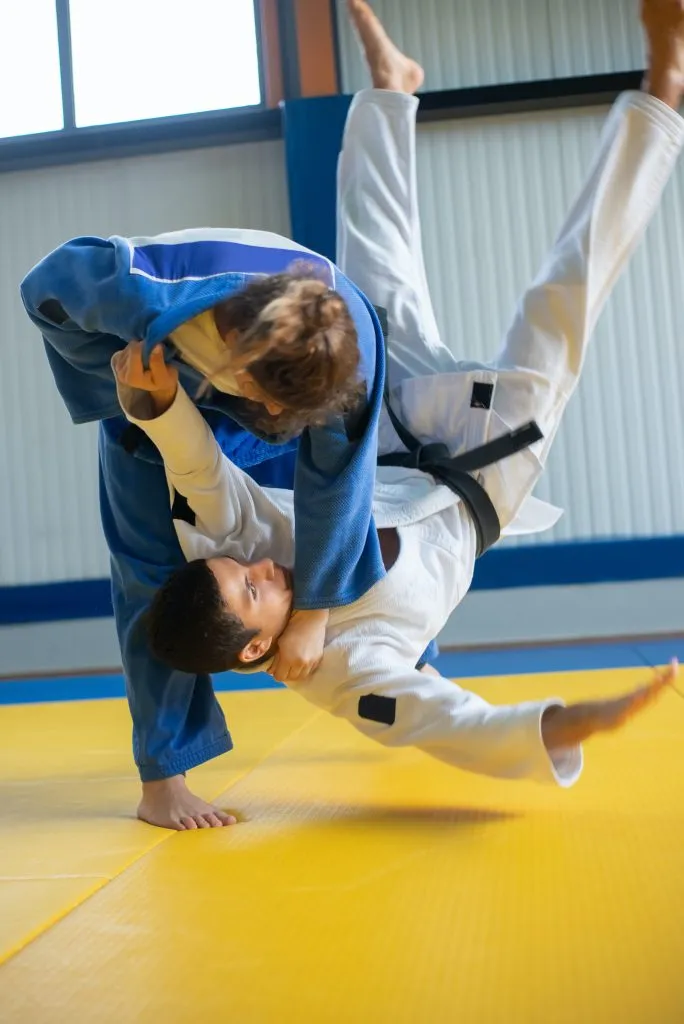
Athletic Speed vs. Ball Speed
This question is asked a lot, because when will it ever be possible to run 30 meters at high body over the grass, or to perform an agility drill exactly in the same manner as it’s performed in training?
In a large part of a good annual program, we’ll try to amplify the motor efficiency, the bio-mechanical and the optimal force output components (force, mass, fat percentage) in order to bring to maximum (100 percent) much higher.
The assumption is that in most ball games, most of the game won’t operate on 100 percent intensity, but rather on 50-80 percent intensity on average.
According to the laws of endurance, the question is always asked “in relation to what are you enduring” — meaning endurance is simply a very much question of how much you can endure at speed X, and not just how much you can endure in walking.
From here it turns out that if the 100 percent force output rises gradually during training, then 50 percent force output also rises correspondingly and will become easier, or at least if not easier, more intense in relation to the initial situation.
This is with the assumption that we don’t train the ability to “endure” even once, which won’t be a good idea in general.
With proper integration of speed-endurance within the annual program, together with efficiency and maximum force training, it’s possible to reach such amazing outcomes, that a ball game like ball or football will be one of two things:
- Easy and boring, during sturdy performance
- Still hard, but with amazing performance (the desired option)
If you have more questions, you can always get in touch!